SELECTED Installations WAX ECHOES: UNWRITTEN NOTES
Haus der Kulturen der Welt (HKW), Berlin
Multichannel spatial sound and material installation, 2026
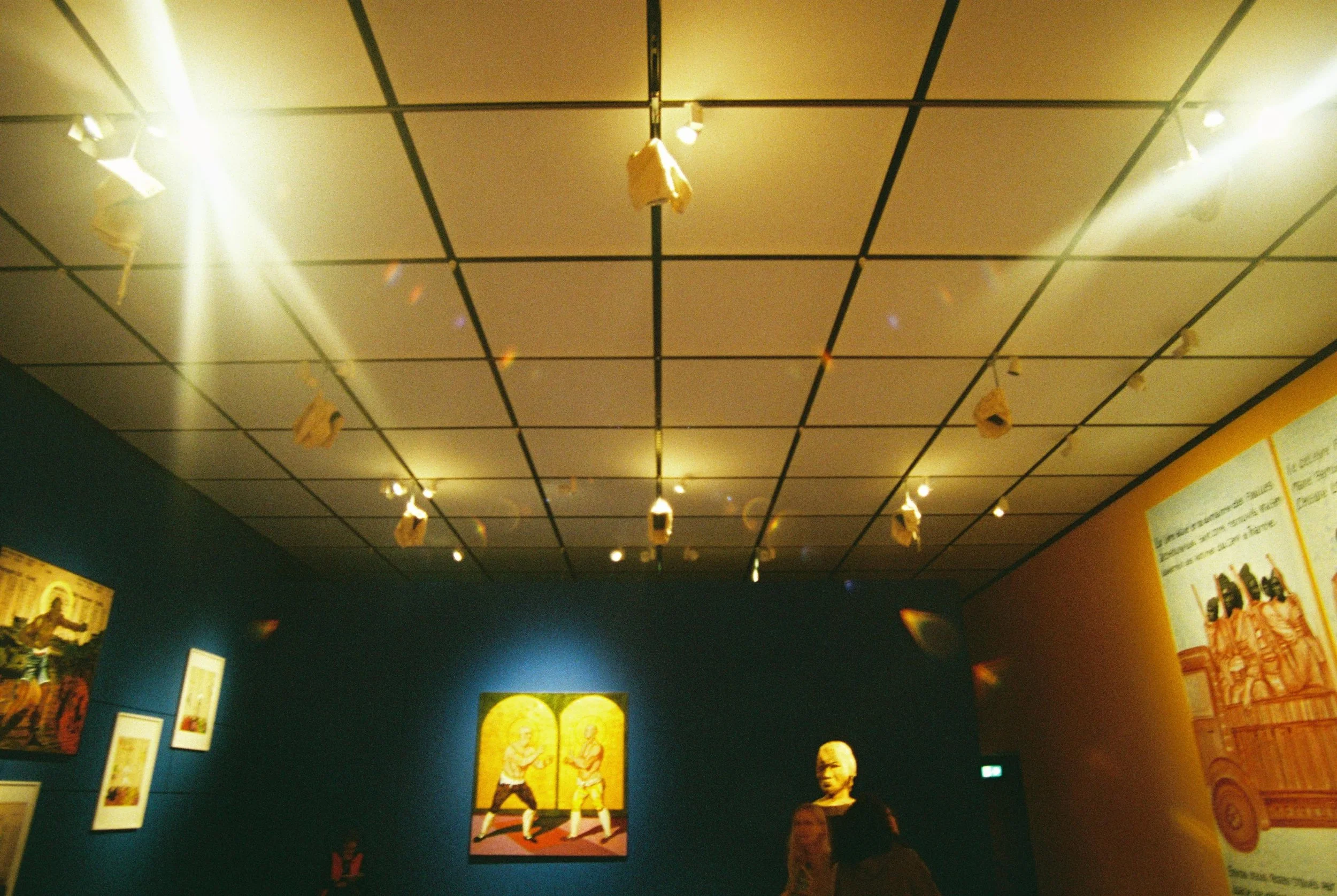
Photograph by Madakya, HKW, Berlin, 2026
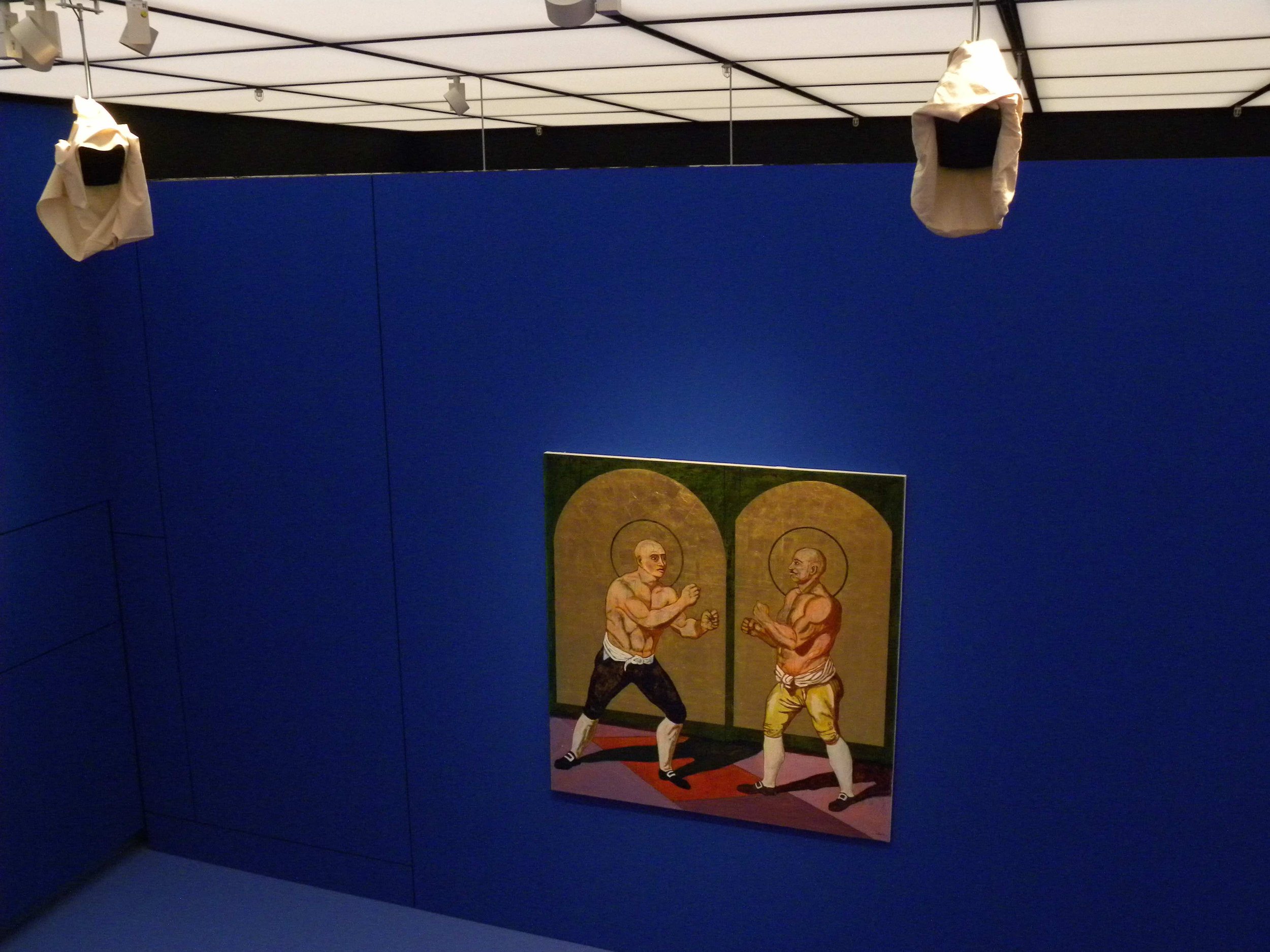
Photograph by Eglė Ščiukaitė , HKW, Berlin, 2026
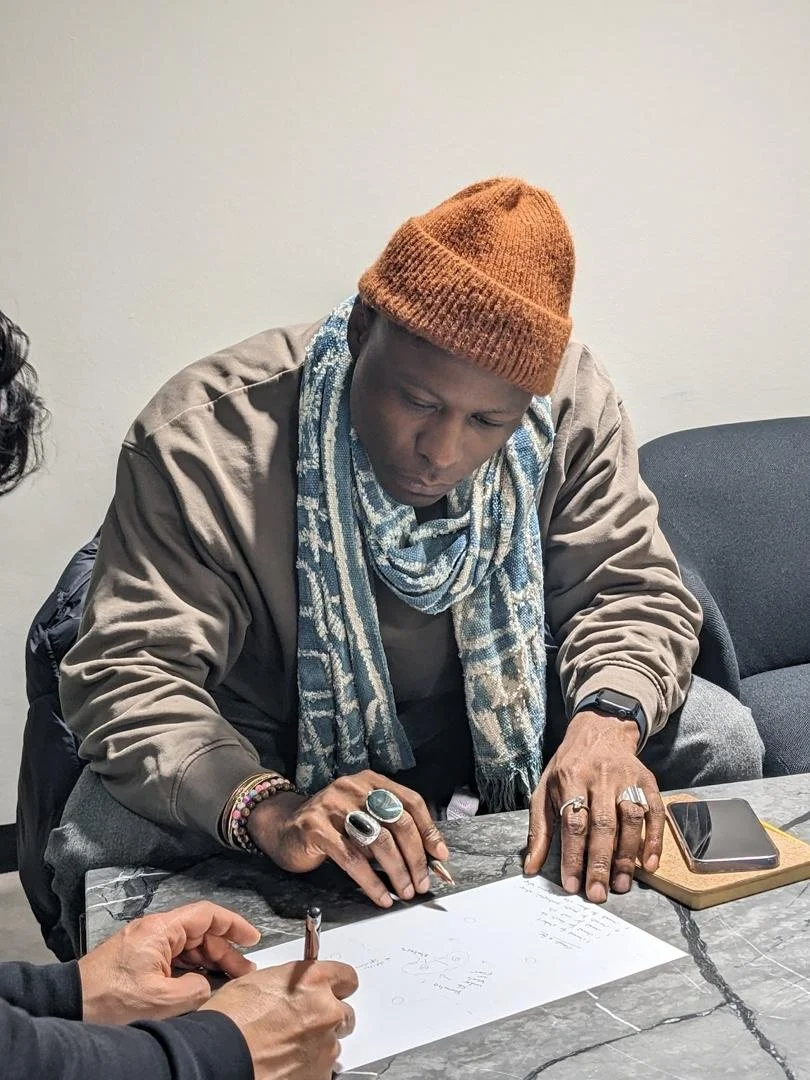
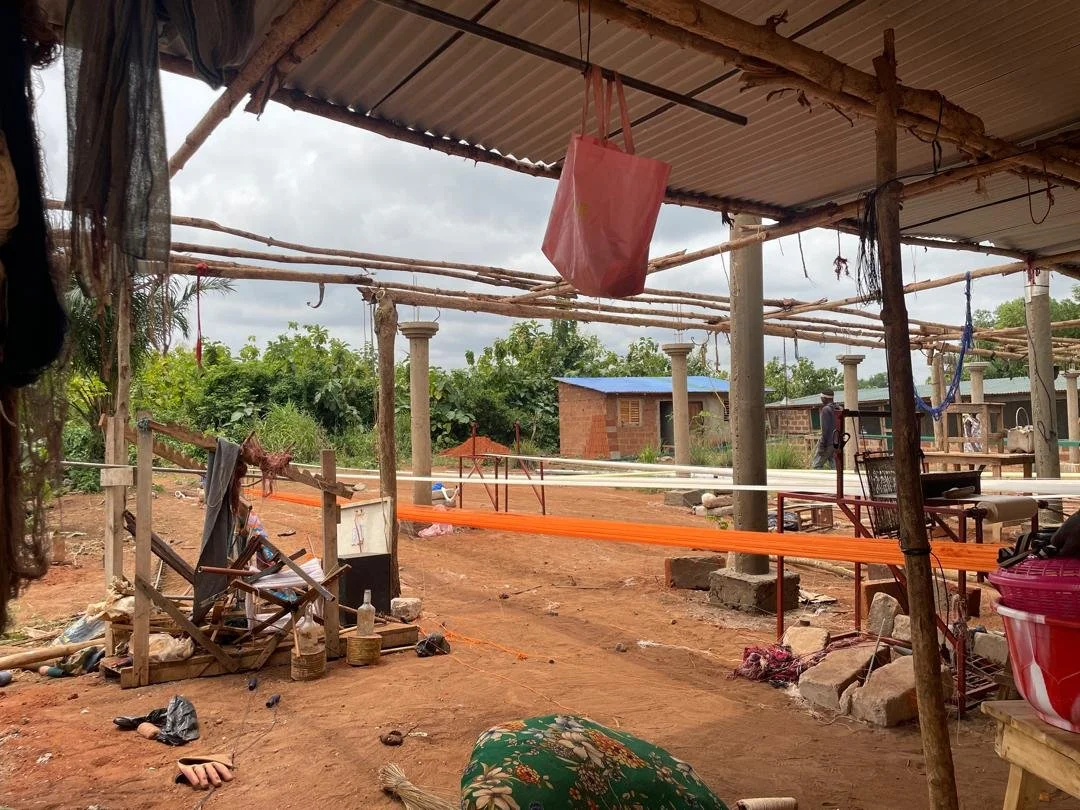
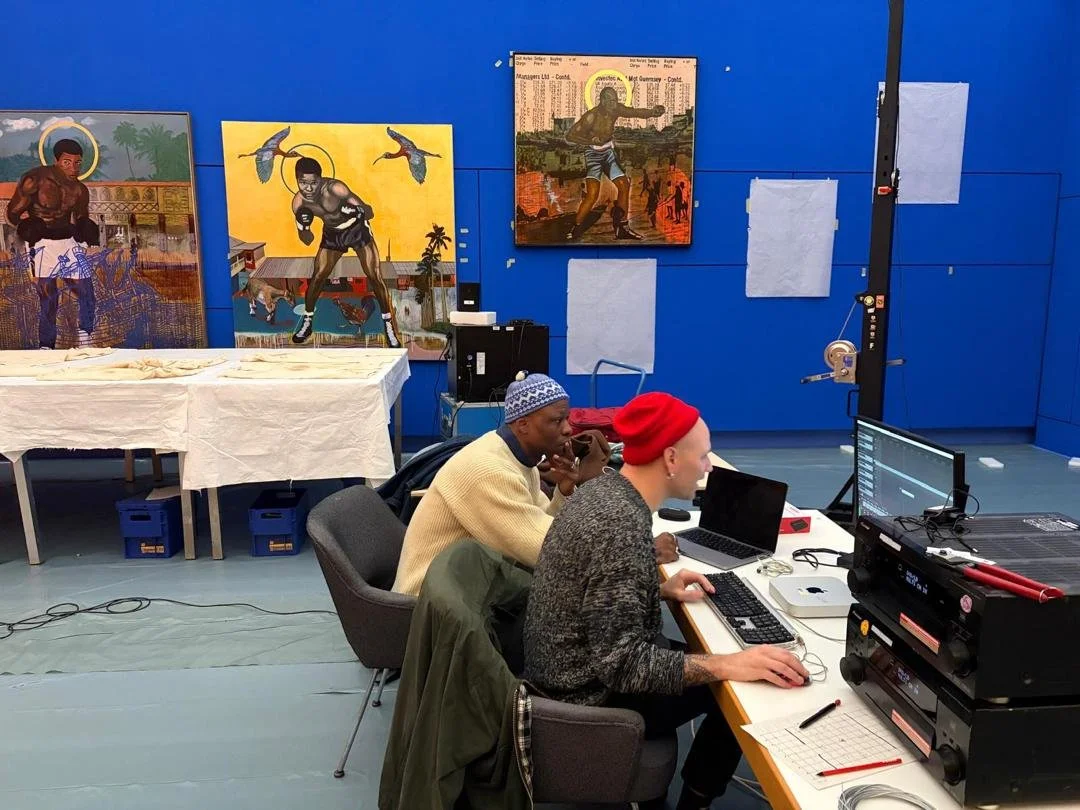
Wax Echoes: Unwritten Notes emerged from a research project developed with Haus der Kulturen der Welt (HKW) and the other artists in the exhibition. The project explored histories of colonial military service and resistance. The Tirailleurs were African soldiers recruited into France’s colonial forces; Britain, Belgium, Germany and Portugal also relied on African soldiers in their colonial armies. Atanga’s research looked further back, toward precolonial histories, to place military service and resistance within longer histories of the region.
At the Lautarchiv at Humboldt Forum, Atanga listened to century-old recordings of Tirailleur prisoners of war held in Germany. He also researched and made field recordings across Senegal and Benin. The installation brings these archival voices into relation with field recordings, electronic composition, multilingual spoken text and multichannel sound. Sounds and voices overlap, recede and return, creating a layered listening environment shaped by memory, absence and historical continuity.
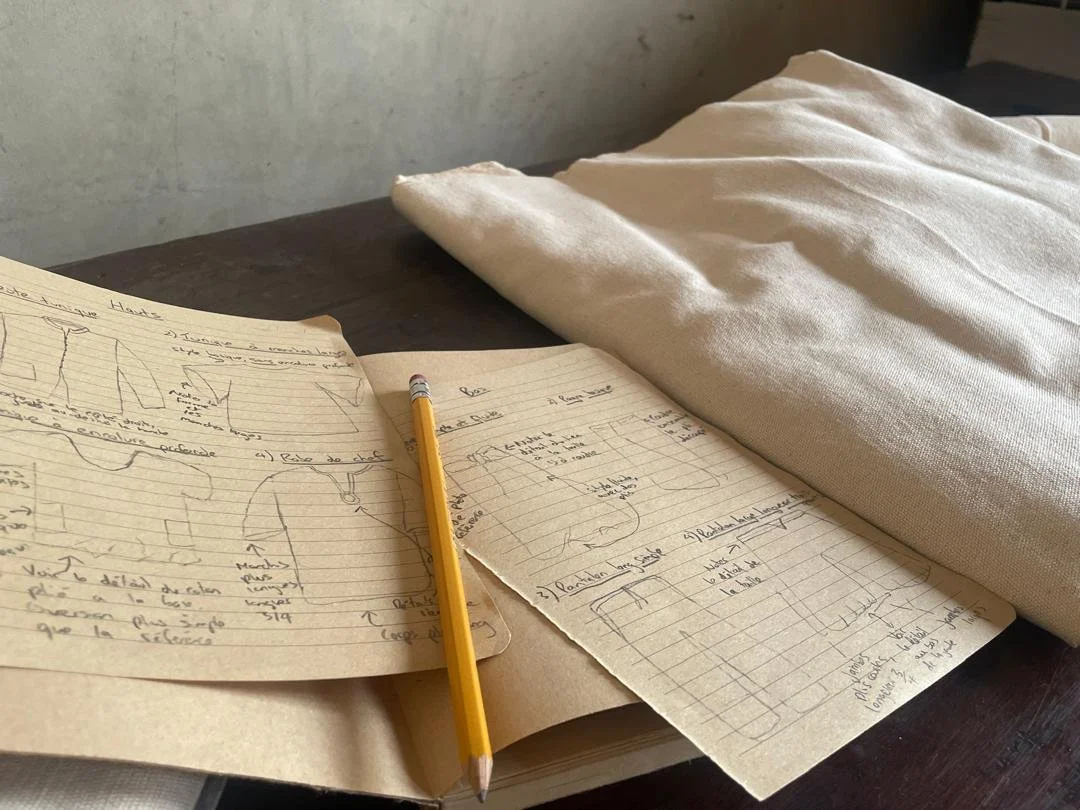
The suspended loudspeakers were wrapped in natural cotton grown and handwoven in Benin. The textile was cut and sewn into forms based on traditional Beninese garments from the prewar period, identified through research in visual archives with access and support from Fondation Zinsou. The garment forms are not immediately apparent in the installation, but shape how the speakers hold and release sound. The cotton gives the archival voices a material presence, resisting their reduction to flat historical documents. It also carries histories of labour and economic exchange between Africa and Europe, connecting the voices in the archive to the movement of materials and wealth.
The images in this section show selected stages of the research and production, from archival and field research to the making of the installation.
Materials and technical elements: Multichannel audio, field recordings, electronic composition, multilingual spoken text, suspended loudspeakers wrapped in natural cotton grown and handwoven in Benin. Variable dimensions.
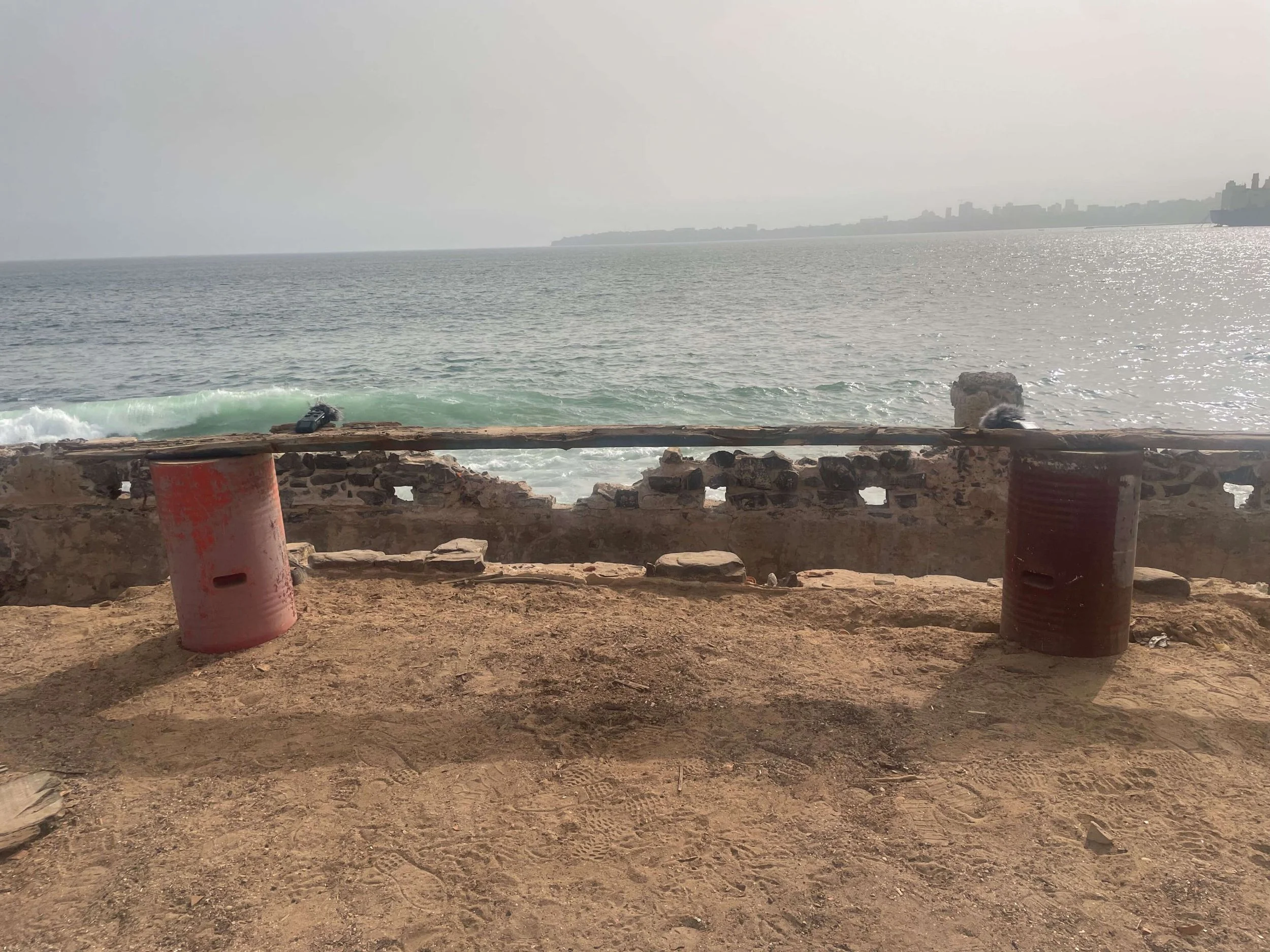
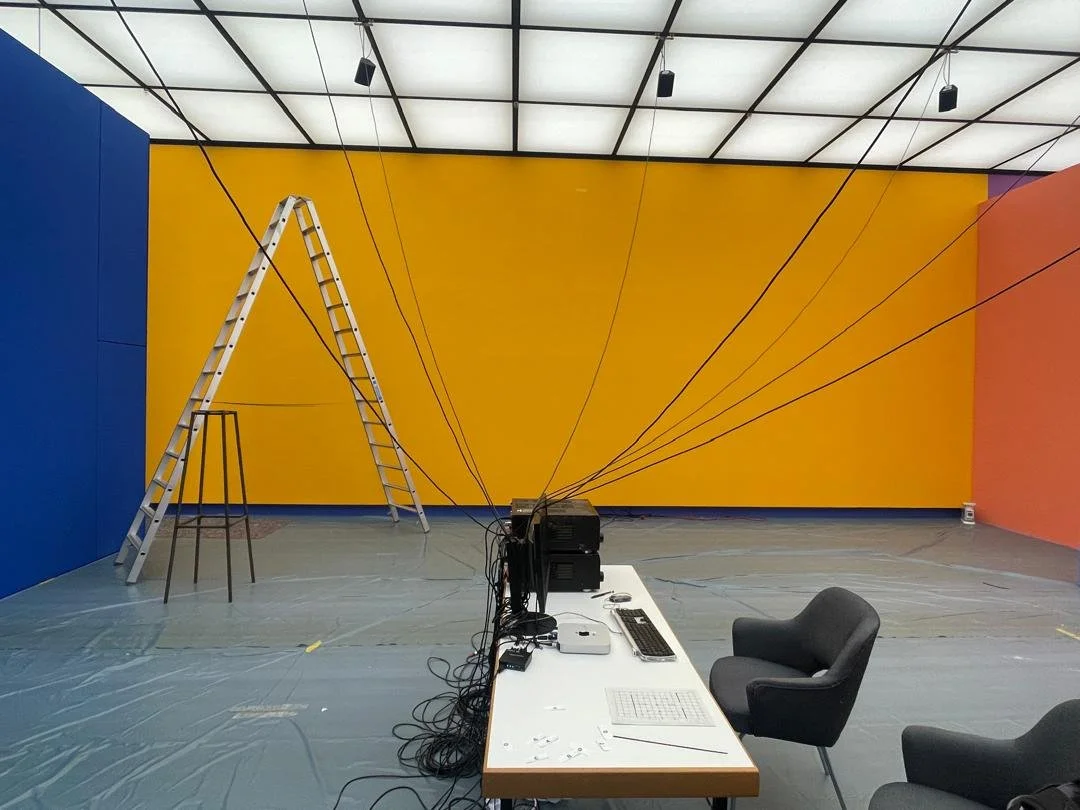
Production of Wax Echoes: Unwritten Notes (2026). Photographs: Courtesy of the artist.
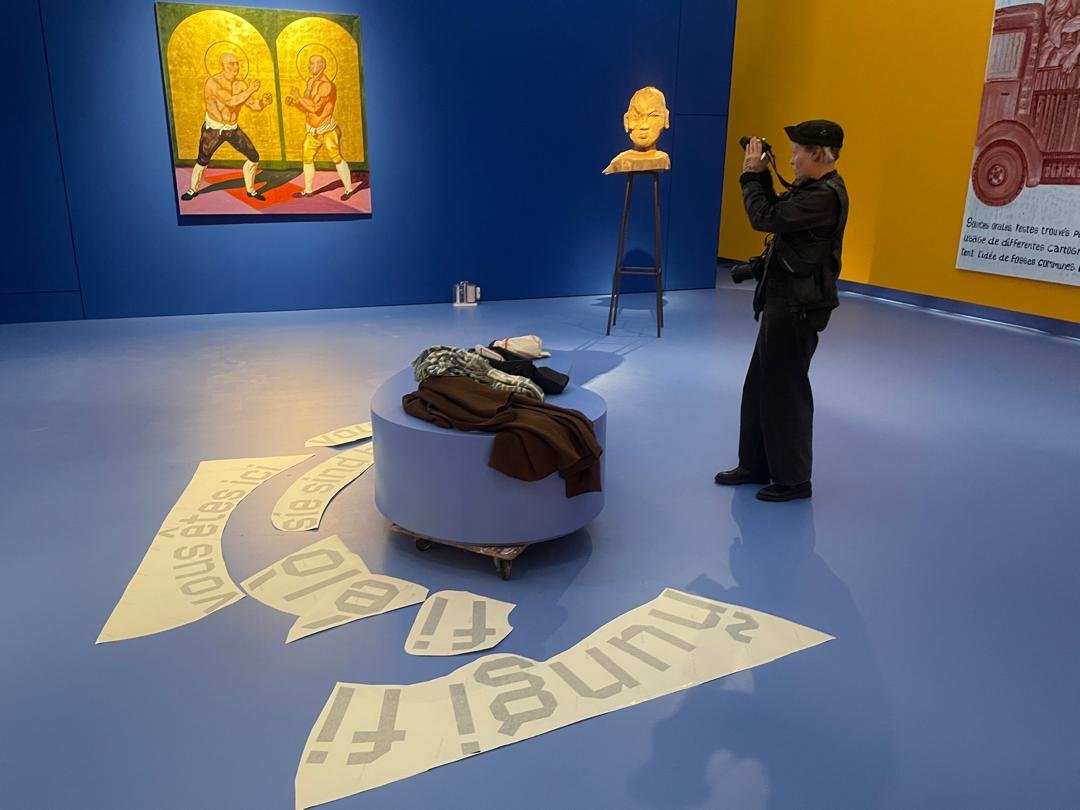
Production of Wax Echoes: Unwritten Notes (2026). Courtesy of the artist.
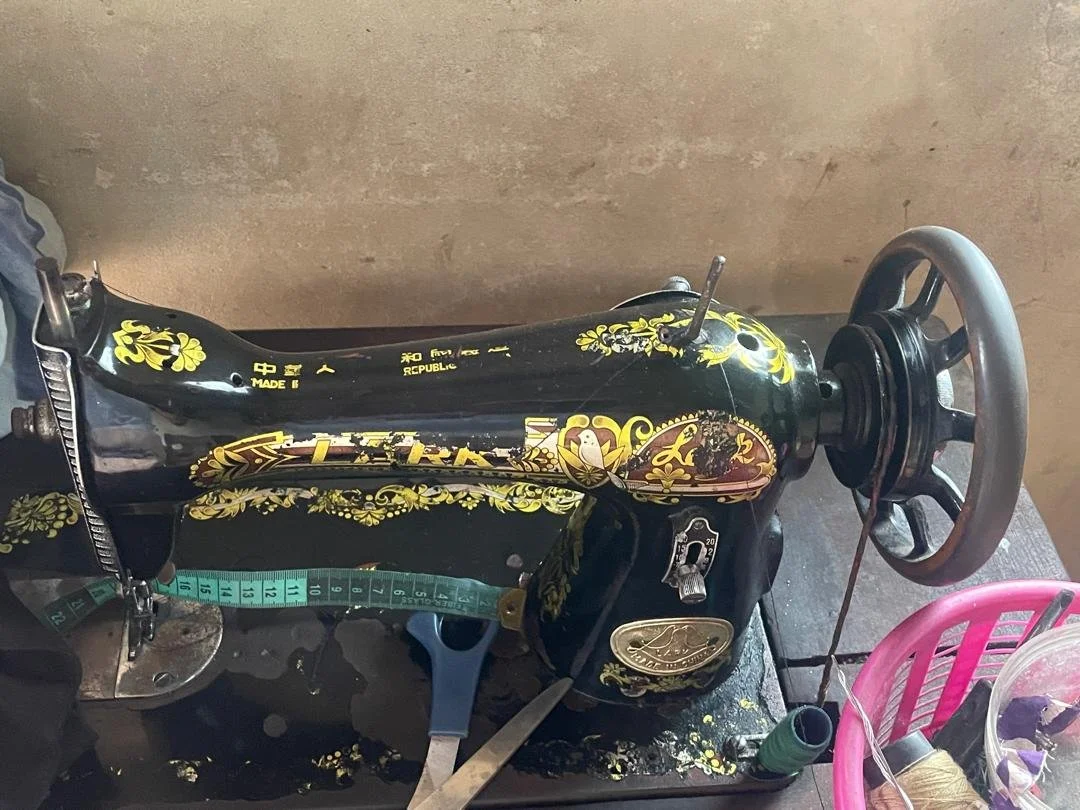
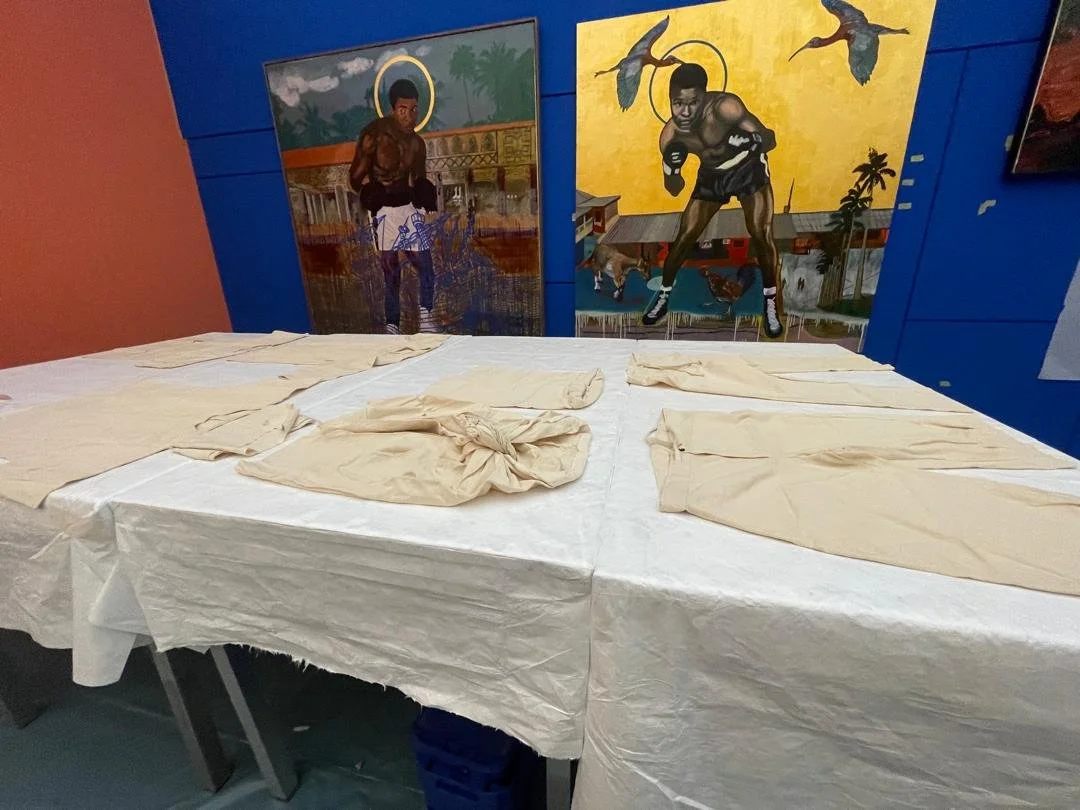
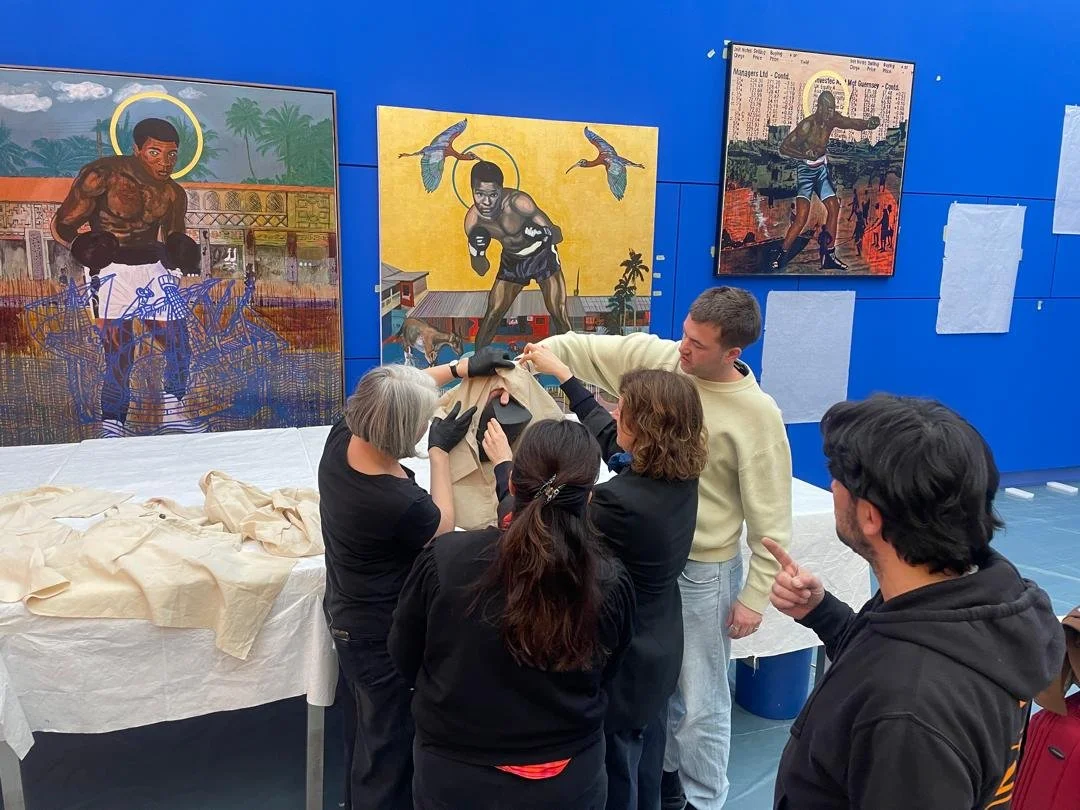
Production of Wax Echoes: Unwritten Notes (2026). Courtesy of the artist.
Wax Echoes: Unwritten Notes (2025–26), multichannel sound installation, textile, text. With contributions by Elise Agbodegbe (weaving), Jacopo Biffi (audio engineering), Anna Diagne (text design), Gaëlle Dogo and Pascal Tohouedo (tailoring), Papi Ndoye and Akele Wéwé Tatchéyon (translation). Courtesy of the artist, archival material courtesy of the Fondation Zinsou Benin (with thanks to Halima Moumouni and Laura Fagbohoun), and Lautarchiv der Humboldt-Universität zu Berlin
HELIX
Centro Cultural Franco-Moçambicano, Maputo
Durational spatial sound composition, 2026
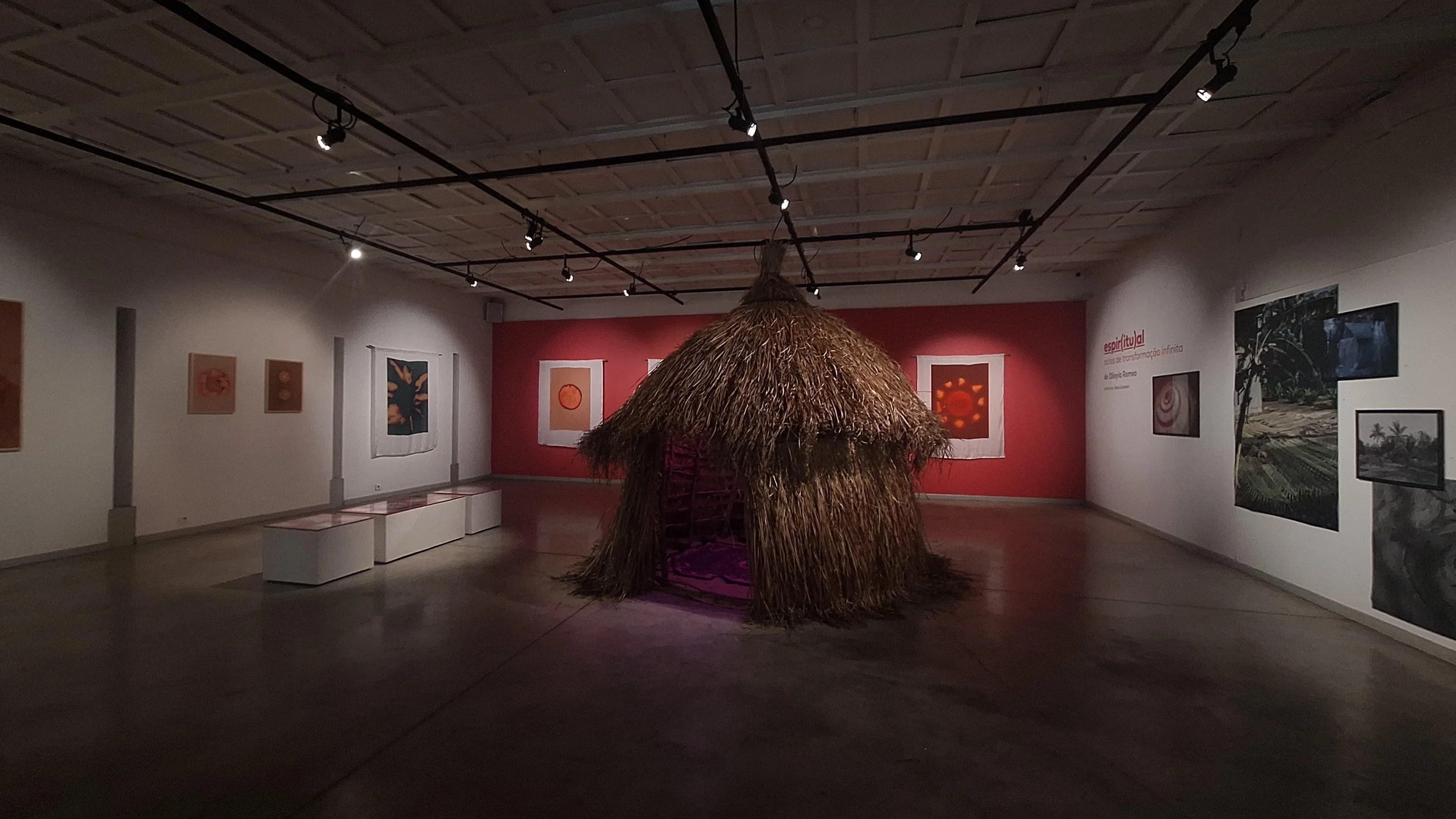
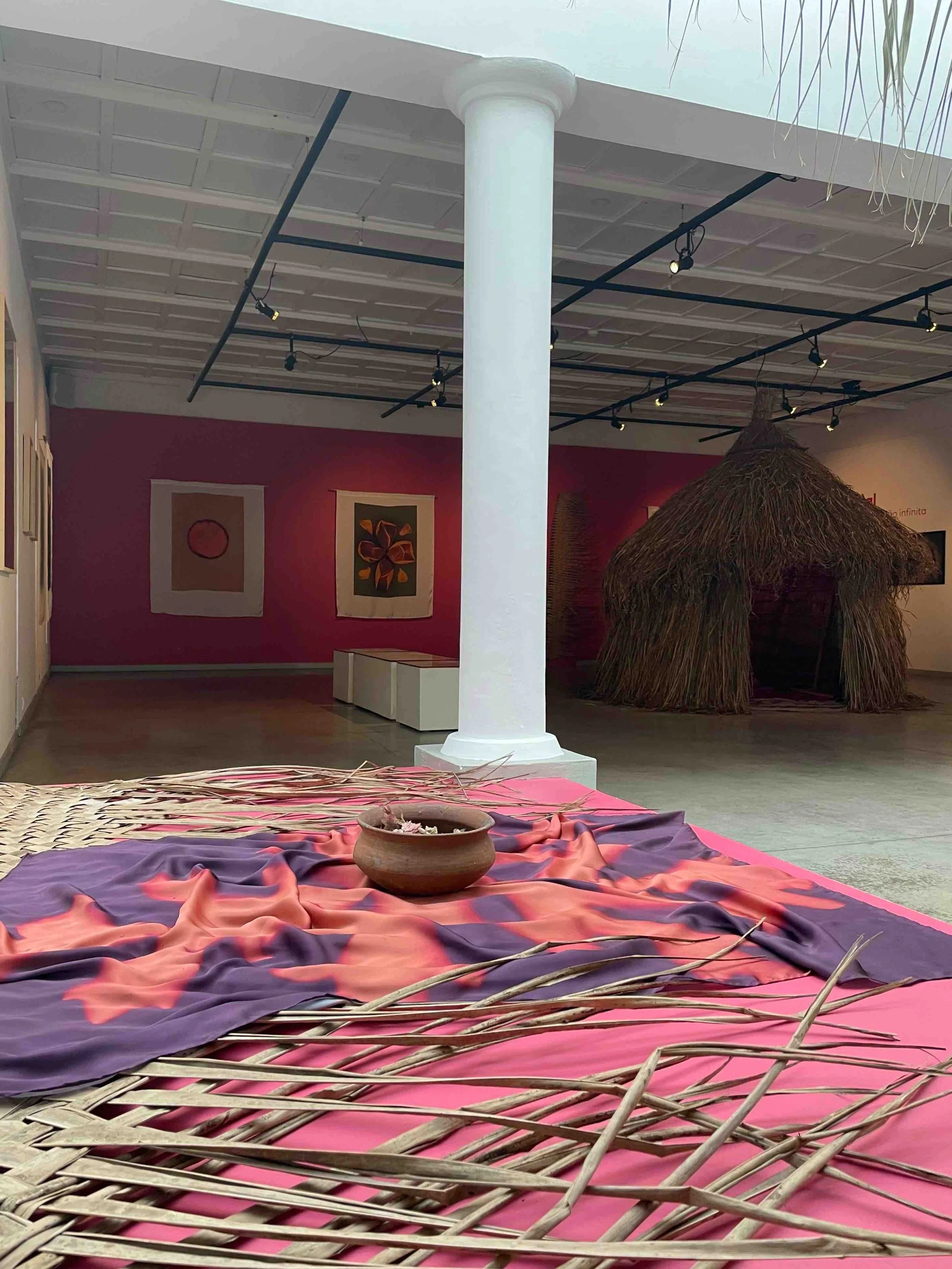
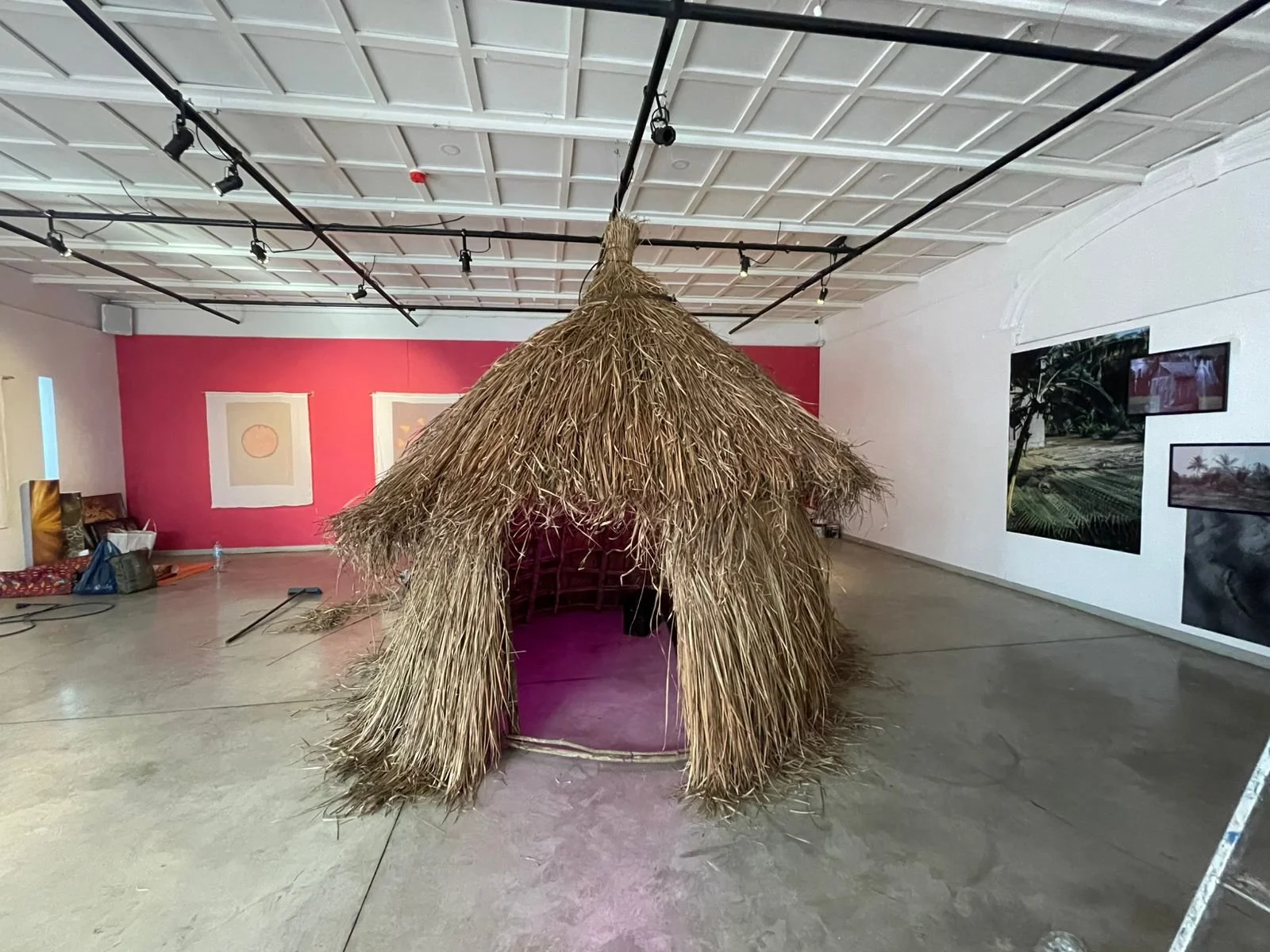
Photographs: Dilayla Romeo.
Commissioned for Dilayla Romeo’s exhibition ESPIR(ITU)AL: Ciclos de Transformação Infinita, Helix is a durational sound composition developed from field recordings, environmental sound and electronic textures.
Distributed throughout the exhibition space, the work does not accompany a single object or image. Instead, it forms a changing sonic layer across the wider installation, connecting its different visual and material elements through listening. The composition explores ancestry, ecology and transformation through repetition, accumulation and gradual shifts in texture.
Materials and technical elements: Field recordings, environmental sound, electronic composition and audio playback throughout the exhibition.
Points of Entry
Galerie Wedding, Berlin
Site-responsive spatial sound installation and public programme, 2024
Developed in dialogue with Raquel van Haver’s exhibition The Grid, Points of Entry examined the sonic geographies of Berlin’s Wedding district through field recordings, electronic composition and public programming.
The work considered listening as a point of encounter between migration, labour, public space and collective memory. Sound and public gathering operated as connected parts of the project, allowing the installation to extend beyond playback into conversation, shared listening and exchange.
Materials and technical elements: Field recordings, electronic composition, site-responsive spatial audio and public listening programme.
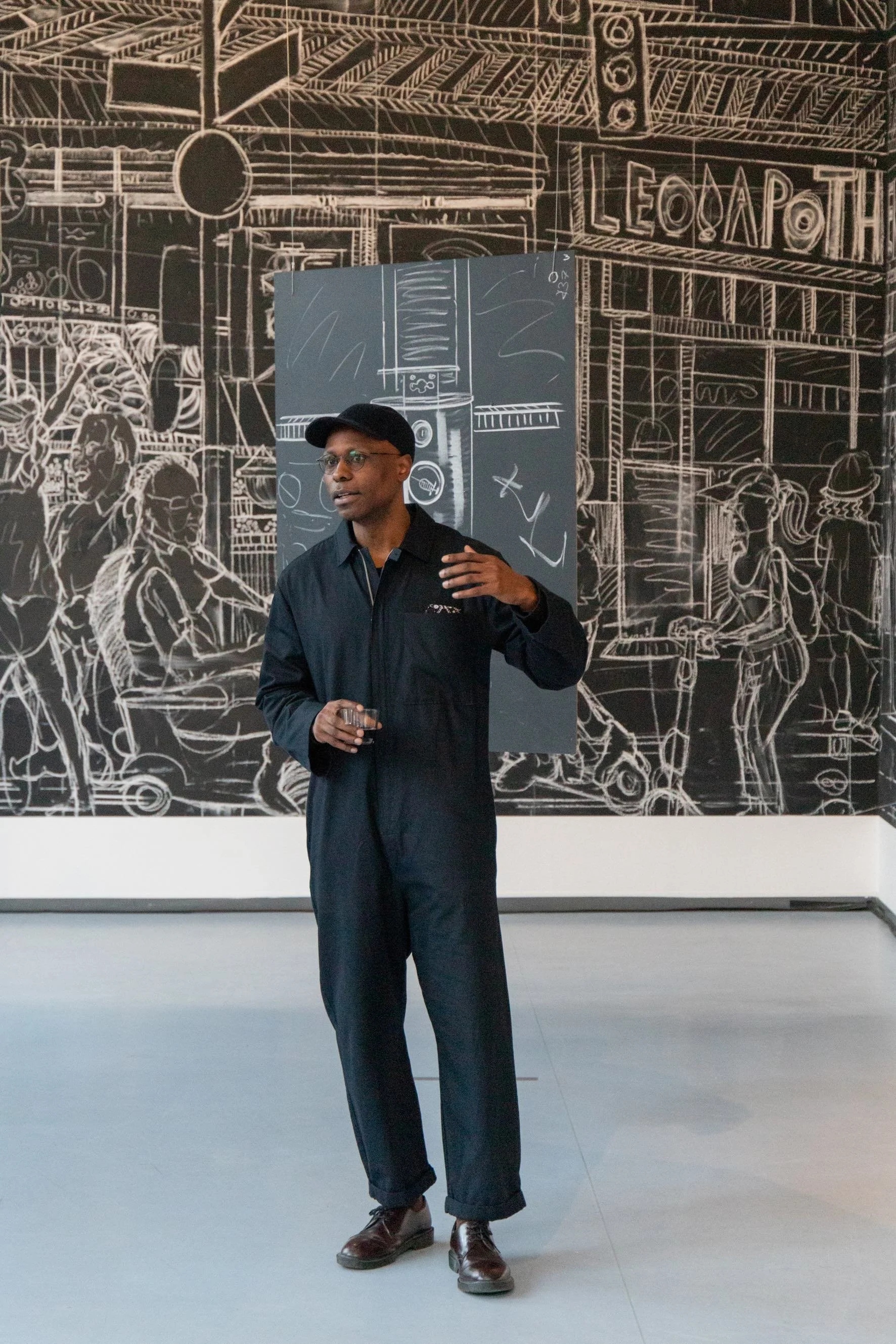
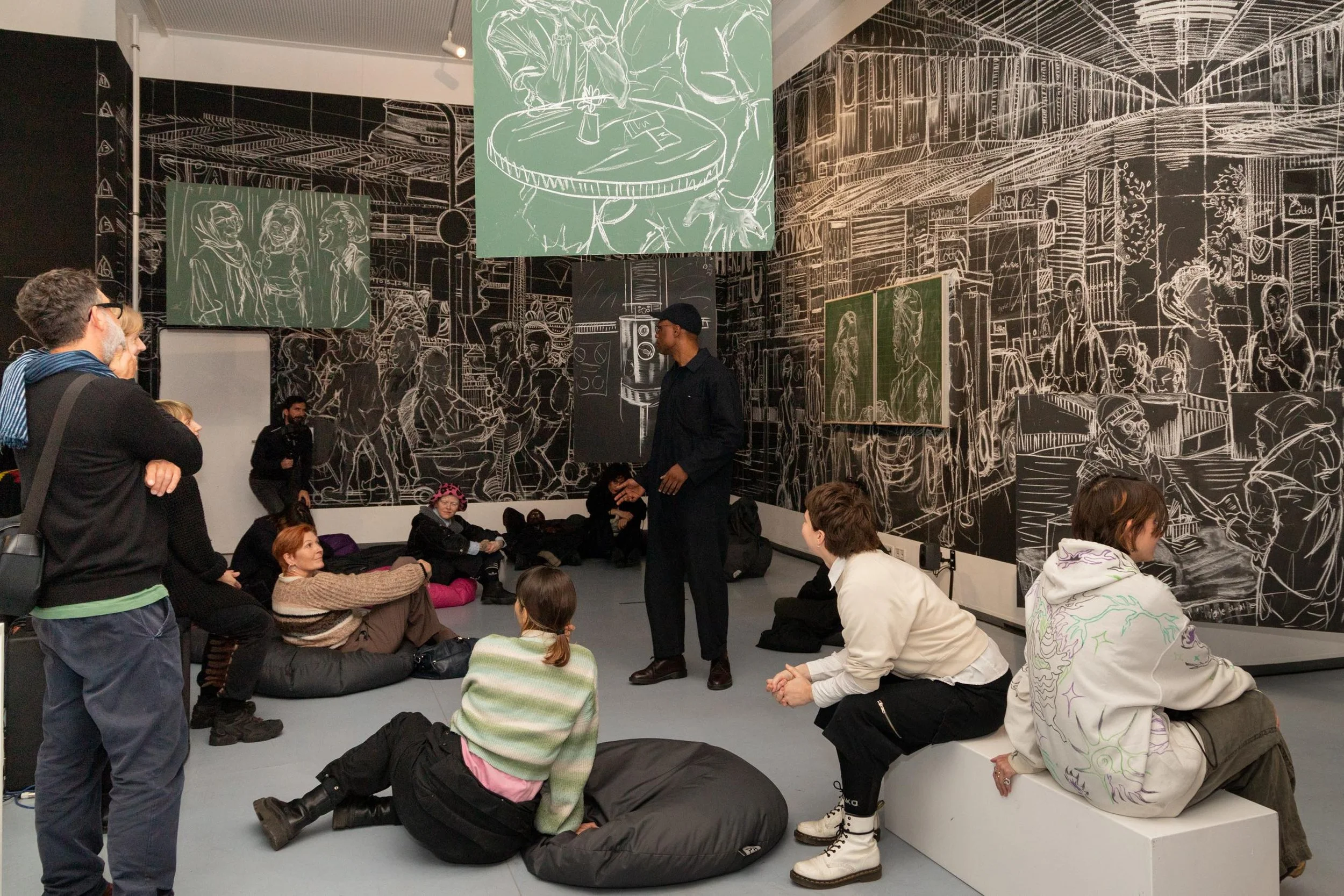
Photographs by Galerie Wedding.